
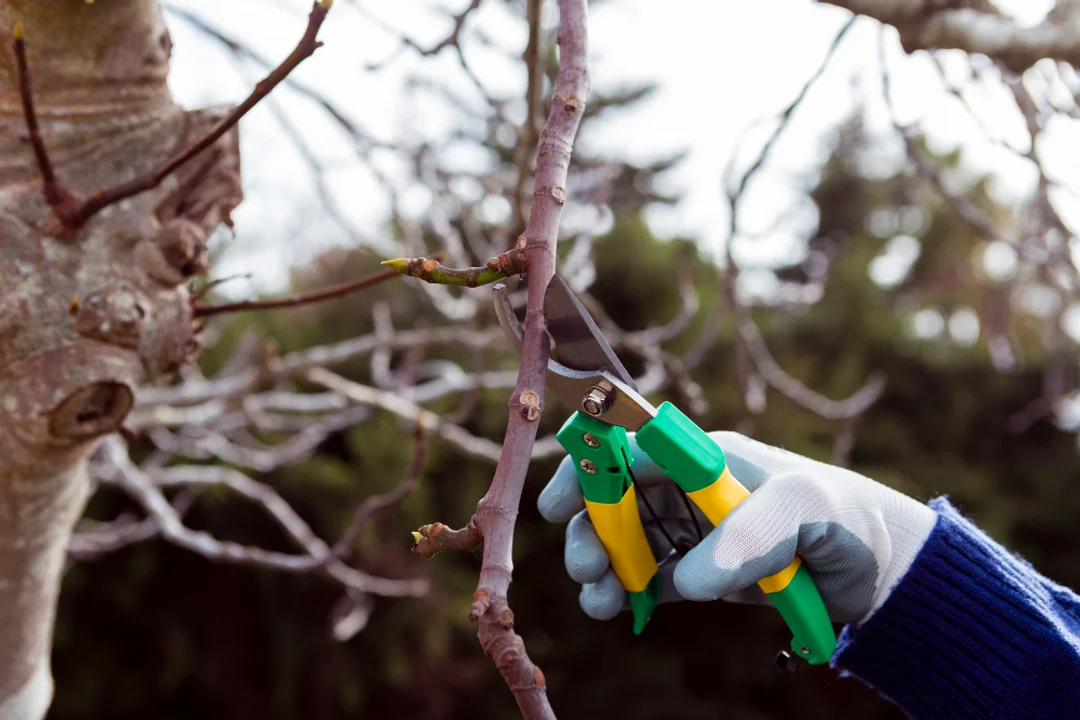
If you’ve ever wondered when to trim your trees, you’re not alone. Timing really matters — the right season can help trees grow healthier, prevent disease, and even make your yard look better. The wrong time, however, can stress your trees or stunt their growth. So, let’s talk about when it actually makes sense to prune.
Why Pruning Isn’t Just About Looks
Most homeowners think pruning is only for keeping trees neat. In reality, it’s also about safety and long-term health. Removing weak, dead, or tangled branches helps your tree breathe and soak in more sunlight. It also keeps limbs from falling on your house or driveway during a storm. A small trim today can prevent a big problem later.
Winter – Usually the Best Time
Late winter or early spring is ideal for most trees. Since they’re dormant, pruning doesn’t shock them. It’s easier to see the shape of the branches without all the leaves in the way, and the cuts heal faster once spring growth begins. Just avoid trimming on days when the temperature drops below freezing — the fresh cuts can freeze and crack.
Spring – Good for Light Touch-Ups
Once buds start opening, your tree is focused on new growth. Light trimming during spring is fine if you just need to tidy things up or remove small twigs. But try not to go heavy — cutting too much can take away the tree’s energy when it needs it most.
Summer – For Safety and Shape
Summer pruning is helpful if you notice branches blocking sunlight or hanging too close to your roof. It’s also the time to remove any storm-damaged limbs. Just keep it minimal; too much trimming in hot weather can stress the tree and slow its recovery.
Fall – Best to Avoid
Even though fall feels like a good time to do yard work, it’s actually not ideal for pruning. When you cut branches in autumn, trees respond by sending out new growth that won’t survive the cold. It’s better to wait until winter returns.
Different Trees, Different Schedules
Every species has its own rhythm. Flowering trees should be pruned soon after they bloom, while fruit trees do best with early spring trimming. Evergreens can be shaped lightly toward the end of winter. If you’re unsure, a certified arborist can recommend what’s best for your specific trees and local climate.
Final Thoughts
Tree pruning isn’t just maintenance — it’s an investment in your landscape’s health and safety. In most cases, late winter gives you the best results. Still, weather and species matter, so it’s smart to check with a local tree expert before cutting anything. A little planning goes a long way toward keeping your trees healthy and beautiful all year.