
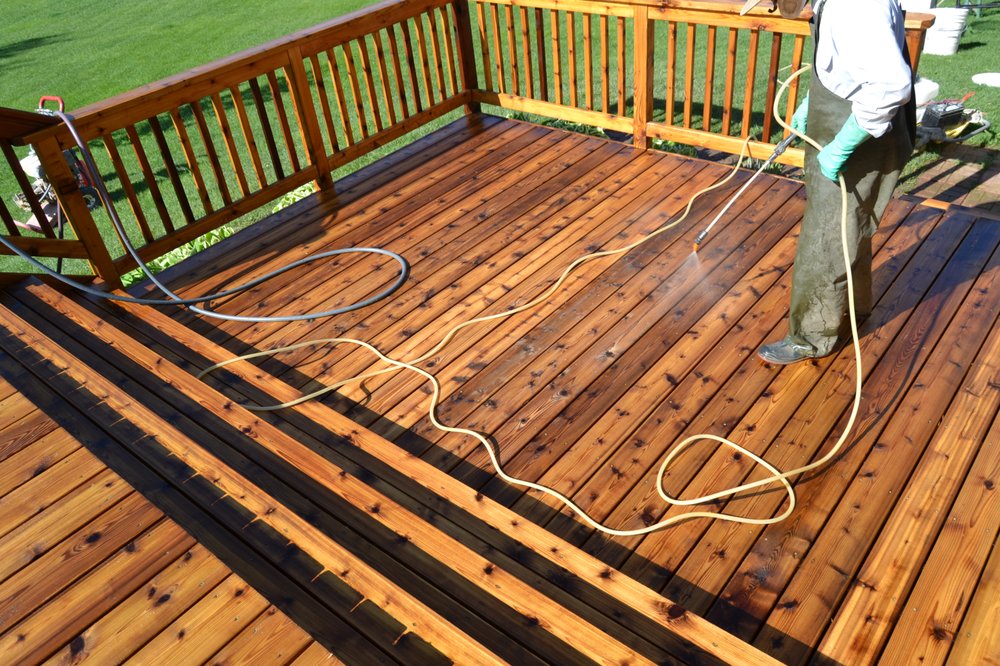
When you’re planning to build a deck, one of the biggest decisions you’ll face is choosing the right material. Your deck isn’t just an outdoor platform — it’s where family gatherings, BBQs, and quiet morning coffees happen. So, it needs to look good, feel sturdy, and last for years. The most common materials today are wood, composite, and PVC decking. Each one has its pros and cons depending on your budget, style, and how much maintenance you’re willing to handle.
Let’s break them down in simple terms so you can decide what works best for your home.
1. Wood Decking: The Classic and Natural Choice
There’s no denying the timeless appeal of a real wood deck. It feels warm underfoot, looks natural, and gives your backyard a rustic charm that synthetic materials can’t fully match.
Popular wood types: Pressure-treated pine, cedar, and redwood are the most common. Each offers a different color tone and grain pattern, making it easy to match your home’s exterior design.
Pros of wood decks:
- Natural look and texture
- Can be stained or painted in any color
- Usually less expensive upfront
- Easy to repair — you can sand, stain, or replace damaged boards
Cons of wood decks:
- Needs regular sealing and staining to prevent rot
- Can fade or splinter over time
- Vulnerable to termites and moisture
If you don’t mind doing some yearly maintenance, a wood deck offers unmatched beauty and warmth at a lower cost.
2. Composite Decking: The Low-Maintenance Favorite
Composite decking has become a top choice for homeowners who want the look of wood without all the upkeep. Made from a mix of wood fibers and recycled plastic, these boards are built to resist fading, staining, and mold.
Pros of composite decks:
- Very low maintenance — just wash occasionally
- Doesn’t warp, rot, or splinter
- Available in many colors and wood-look finishes
- Eco-friendly materials
Cons of composite decks:
- Higher initial cost than wood
- Can get hot under direct sunlight
- Not completely natural in appearance
Composite decks are ideal for busy homeowners who want a durable, long-lasting deck without having to stain or seal it every year.
3. PVC Decking: The Longest-Lasting Option
PVC decking (made from 100% plastic) is the most durable material on the market. It’s completely resistant to moisture, insects, and rot — perfect for areas with heavy rain or humidity.
Pros of PVC decks:
- Waterproof and mold-resistant
- Lightweight and easy to clean
- Doesn’t need sealing or staining
- Lasts 25+ years with minimal fading
Cons of PVC decks:
- More expensive upfront
- Can feel less “natural” than wood
- Some brands may look more plastic-like
PVC is a great choice if you want a deck that looks good for decades and requires almost zero maintenance.
Which Deck Material Is Right for You?
Here’s a quick comparison:
- Choose Wood if you want a warm, natural look and don’t mind some maintenance.
- Choose Composite if you want a realistic wood appearance with less upkeep.
- Choose PVC if you want the most durable, low-maintenance, and long-lasting option.
Your climate, lifestyle, and budget all play an important role. If you live somewhere with extreme temperatures or moisture, composite or PVC may perform better over time.
Final Thoughts
No matter which material you choose, the right deck can transform your outdoor space into a beautiful, relaxing retreat. If you’re unsure which option fits your home best, consulting with a professional deck builder can help you weigh the long-term costs and benefits.
A well-chosen deck material doesn’t just improve your home’s look — it adds comfort, value, and years of enjoyment for your family.